Choose a plant drink by its label and its role
Compare sweetness and texture without assuming every carton is equivalent.
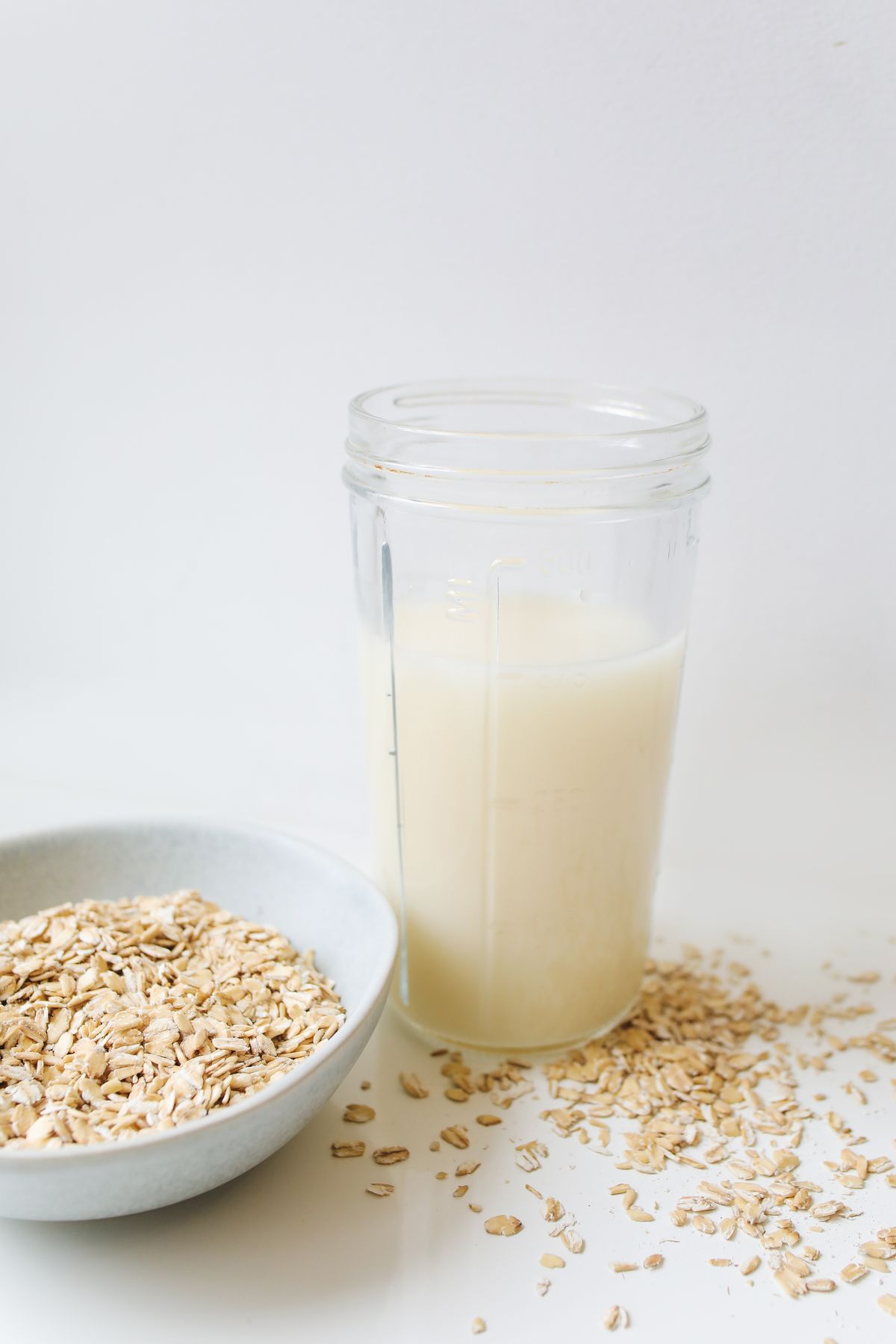
Illustrative stock photograph · Polina Tankilevitch / Pexels · Photo credits
From ingredients to your next cup.
Follow the sequence. Select a step to read its full instructions.
- 01Define the drinkChoose the tea and texture you want
- 02Read the labelIngredients, allergens, sugar and storage
- 03Compare sweetnessSame tea and milk volume, no syrup initially
- 04Compare textureKeep ice and brewing method fixed
- 05RecordSave the exact carton and what you observed
All sections in this guide
Start with the drink you want to make
A plant drink for matcha may need a different flavor balance from one used with black tea or coffee. Decide whether you want the tea to stand out or a richer milk-forward glass. Use one familiar brewed base for comparisons instead of changing the tea and carton together.
This is a practical label-reading guide, not a ranking based on our own product tasting or a claim that one category is nutritionally best.
Read the actual ingredient and allergen information
Check the ingredient list, allergen statements, sweetness and storage directions on the exact carton. Plant-based does not mean allergen-free. Someone avoiding dairy for an allergy needs the product information relevant to that restriction, not a general assurance from a recipe page.
Keep the packaging available when serving others. Products sold under similar names can differ by country and formulation, so do not assume a familiar brand name guarantees the same contents.
Separate nutrition from drink texture
The FDA explains that milk and plant-based beverages can differ in nutrients and recommends using the Nutrition Facts label for comparison. That is a reason to inspect the carton rather than infer nutrition from a creamy texture. This guide does not calculate the nutritional value of your final tea.
For our recipe comparisons, record the product’s exact name and whether it is sweetened; avoid turning a flavor preference into a medical or nutritional recommendation.
Compare sweetness before adding syrup
Prepare two small portions of the same cooled tea. Add equal measured amounts of two plant drinks and taste before adding sweetener. If one carton is already sweetened, keep that fact in the notes rather than calling the result a difference caused only by oats or soy.
Then add the same small measured syrup dose to both if wanted. Use separate clean spoons and compare at similar temperatures.
Compare body without changing the whole recipe
Shake each carton as directed before measuring. Keep tea volume, ice and syrup constant while evaluating texture. A product marketed for barista use may have a different formulation; the label explains more than the category name.
If a glass feels too rich, compare replacing a little plant drink with cooled tea. If it seems too thin, first check whether warm components melted extra ice before buying another carton.
Handle separation and heating carefully
If the product separates in a particular tea or fruit mixture, check its directions and record the ingredients and temperature involved. Do not assume appearance alone proves that a food is safe or unsafe. A sour smell or uncertain storage history calls for appropriate caution rather than a recipe adjustment.
Heat only in suitable equipment using the product’s instructions. Avoid shaking hot liquids in a sealed container to imitate a cafe technique.
Keep a simple decision record
Save the product name, ingredient notes, sweetened or unsweetened status, tea base and measured amounts. Add one short observation about texture and one about flavor. Choose a carton that suits the specific drink and your dietary requirements.
Read opening and refrigeration directions each time. This article contains no affiliate links, paid recommendations or invented tasting scores; the stock oat-drink photograph illustrates one category rather than an endorsement.
Sources & scope
These references support the specific preparation and handling topics described above. They do not establish that our proposed combinations have been kitchen-tested. Ingredient labels take priority.
Keep perishable ingredients refrigerated as directed. FDA guidance gives a two-hour room-temperature limit for foods needing refrigeration, or one hour above 90°F, and a refrigerator temperature of 40°F or below. This is not a validated shelf life for an assembled drink.
Keep exploring
Questions or corrections? Email the editor.